Streaming Apps and Copyright: Questions to Check Before You Use One
Introduction
A streaming app can look impressive. It may show thousands of films, television shows, and live events, all organised by genre, language, and popularity. That catalogue, however, does not answer the most important question: does the app actually have permission to provide that content?
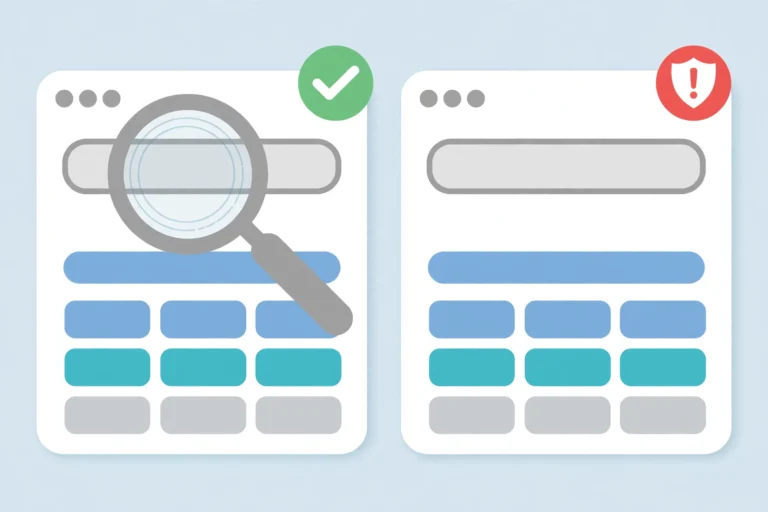
Copyright law is complex, and it varies by country. You do not need to become a lawyer to use streaming services sensibly, but you do need to know which questions to ask. A few simple checks can help you distinguish a licensed service from an app that aggregates content without clear rights. For general information about MovieBox, you can start with the overview on the movieboxapp.buzz homepage.
Why a Large Catalogue Is Not Proof of Licensing
Licensed services pay for rights, and those rights are usually limited. A service may have a strong catalogue in one country and a much smaller one in another, because rights are sold separately by region. It may also lose titles when a licence expires.
An app that claims to offer almost everything, everywhere, for free, should raise a question rather than admiration. Either it has an unusually broad set of licences, which it should be able to explain, or it is drawing on sources without the same licensing controls. The second explanation is far more common for unofficial apps.
This does not mean every title on such an app is unlawfully provided. Some content may be in the public domain, independently produced, or otherwise freely available. But a mixed catalogue does not make the whole service licensed, and users cannot easily tell which titles fall into which category.
Questions About the Source of the Content
Start by asking where the streams come from. A licensed service normally explains its partnerships, studios, or content providers, even if it does not list every contract. An unofficial app often avoids this question entirely, or gives vague answers about the internet, third parties, or community sources.
Also ask who is responsible if something goes wrong. A licensed service has a company, terms of service, and a support process. An unofficial app may have no identifiable operator, no terms, and no way to complain if content disappears or if your data is mishandled.
If an app cannot answer basic questions about its content sources, ownership, or terms, you should lower your trust in it. Transparency is not a guarantee of legality, but its absence is a warning sign.
Questions About Your Country and Your Use
Copyright rules differ by country, and so do enforcement practices. An app that is widely discussed in one country may still raise issues in another. Do not assume that because other people use an app, your use is automatically lawful or risk-free.
Also consider how you are using the content. Watching a film for personal viewing is different from recording it, sharing it, or using it in a public or commercial setting. Even on licensed services, terms usually limit how content can be used. Unofficial apps rarely explain these limits, which leaves users to guess.
If you are unsure about the law in your country, look for guidance from official consumer, copyright, or broadcasting bodies rather than relying on claims made by the app itself. Those bodies are more likely to explain the position in neutral terms.
Practical Checklist Before You Use a Streaming App
Use these questions as a quick review:
- Does the service explain where its content comes from and who operates it?
- Does it have clear terms of service, a privacy policy, and a support contact?
- Is its catalogue plausible for a licensed service in your country, or does it claim almost everything for free?
- Are titles stable over time, or do they disappear without explanation?
- Does the app ask for payment, personal data, or permissions unrelated to streaming?
- Are there licensed alternatives for the titles you watch most often?
- If the service closed tomorrow, would you lose money, data, or access you depend on?
If you answer no to most of the transparency questions, the app is asking you to trust it without evidence. That may be acceptable for casual curiosity, but it is not a sound basis for regular use or for sharing personal information.
Choosing Safer Alternatives Without Losing Choice
Choosing licensed services does not mean giving up variety. Many countries now have free, advertising-supported services, public broadcasters, library services, and low-cost subscriptions that cover a wide range of films and shows. Combining two or three legal services often provides a large catalogue without the uncertainty of unofficial apps.
You can also check whether a specific title is available legally by searching its name together with licensed services in your country. That small step often reveals a legal option you had not considered, and it avoids supporting services that profit from content without paying its creators.
Supporting licensed services also helps creators, studios, and independent filmmakers receive payment for their work. That is not only a legal point; it affects whether new films and shows continue to be made.
FAQs
Q1: Does watching a stream count the same as downloading a pirated file? The legal position can differ by country and by how the stream works. Do not assume streaming is automatically lawful simply because you did not save a file.
Q2: If a title is old, is it automatically free to stream? No. Age alone does not make a work public domain. Copyright duration depends on the type of work, the country, and other factors.
Q3: Can an app be legal in one country and not in another? Yes. Licensing and copyright enforcement vary by country, so an app’s status cannot be assumed to be the same everywhere.
Q4: What should I do if I am unsure about an app? Use licensed alternatives for regular viewing, avoid entering personal or payment information, and check official guidance in your country before relying on the app.